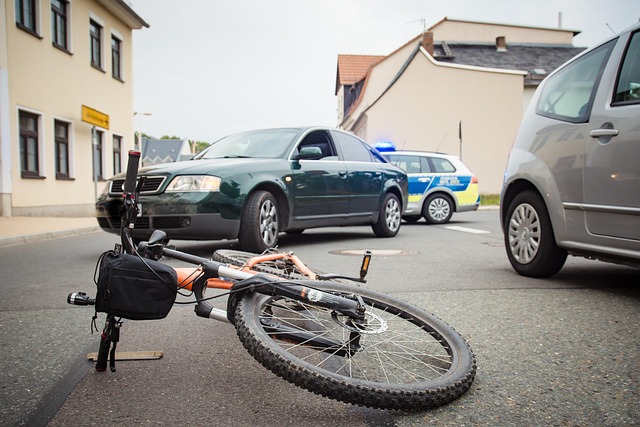
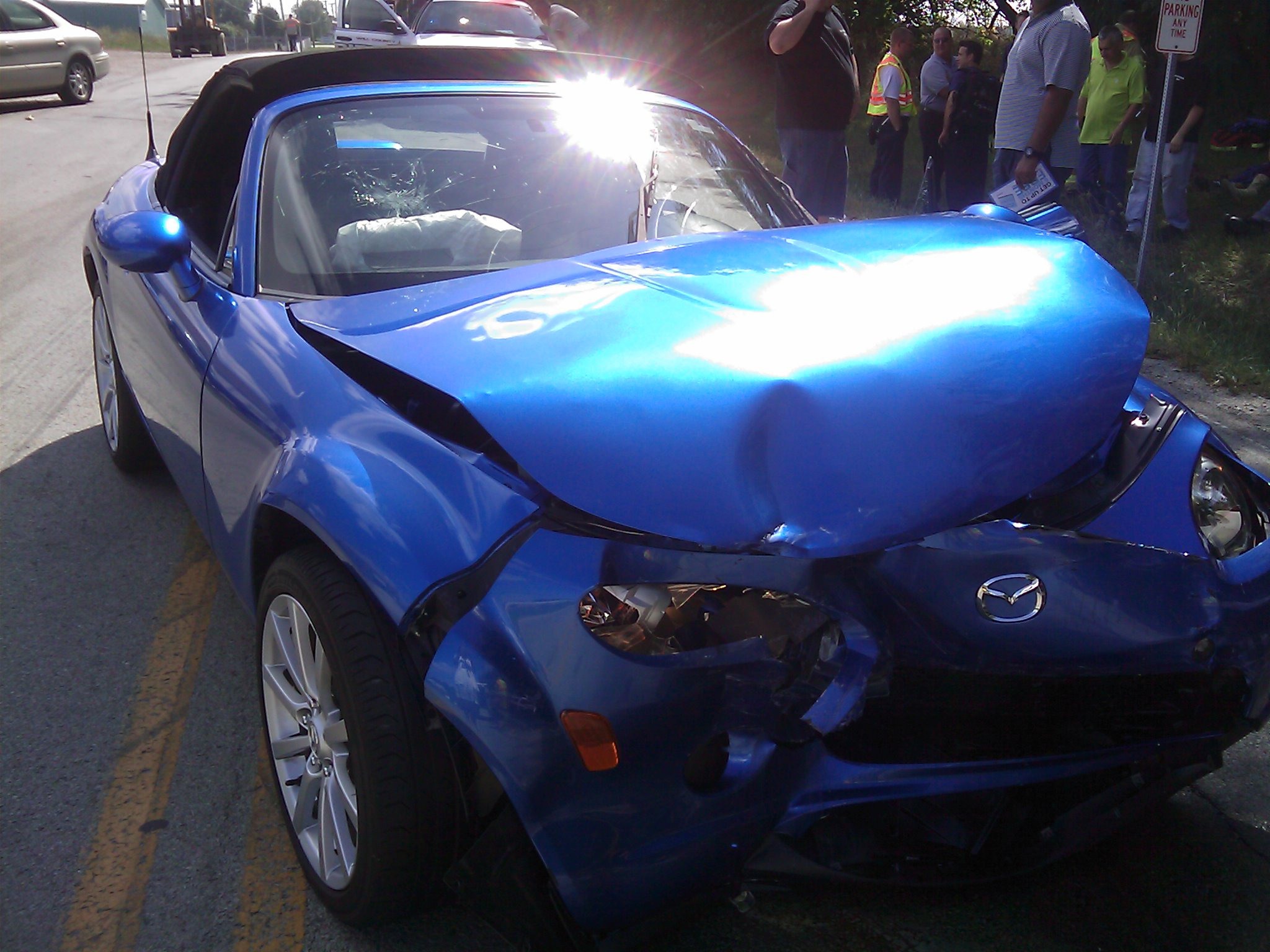
Burlington, NC Car Accident Lawyers: A Local Breakdown of Your Options
A crash on I-85/I-40 or South Church Street drops you straight into a claims process where the other driver’s insurer is already working to pay as little as possible. What a car accident lawyer brings to that situation differs from firm to firm — a physical Alamance County office, published case results, adjuster experience, a stated fee, after-hours access. This breakdown lays out what each firm advertising for Burlington-area car accident work has publicly shown it brings. It is not a ranking or an endorsement.Using This Breakdown to Decide
Match what a firm brings to what your case needs. A high-volume firm brings depth of experience; a local office brings accessibility; a published lower fee brings a concrete cost advantage. None is universally better — the fit depends on your situation and how serious your injuries are. On the first call, most firms consult for free, so ask the questions that actually separate them: Do you take Alamance County crash cases on contingency? What is your fee percentage? Who handles my file day to day? And how do you deal with North Carolina’s contributory negligence rule, which can bar recovery if you’re found even 1% at fault?What to Bring to the First Meeting
Walking in prepared shortens the consultation and lets the attorney give you a straighter read on the case. Bring:- The crash report (or the report number and responding agency).
- Photos of the vehicles, the scene, and any visible injuries.
- Your medical records and bills so far, plus the names of any providers you’re still seeing.
- Every piece of insurer correspondence — letters, emails, and notes on any calls.
- Your own auto policy declarations page, which shows your uninsured/underinsured-motorist coverage.
The Firms Side by Side
Ratings and review counts reflect verified Google Business Profile data at the time of research. Fee details come from each firm’s own materials; where a firm doesn’t state them publicly, this guide says so rather than guessing.| Firm | Location | Rating / Reviews | Car-Accident Focus | Fee Structure |
| Lanier Law Group | Burlington, NC | ⭐ 4.9 / 110 | Dedicated Burlington page; local roads and results named | Contingency; % not stated |
| Whitley Law Firm | Raleigh (serves Burlington) | ⭐ 4.7 / 596 | PI and car accidents; Spanish-speaking attorney | Contingency; % not stated |
| Roane Law | Greensboro (~25 min) | ⭐ 4.8 / 62 | Car-accident-specialist branding | Contingency; % not stated |
| Hemmings & Stevens PLLC | Raleigh (serves Burlington) | ⭐ 4.5 / 22 | PI auto and workers’ comp | Contingency; % not stated |
| Nagle & Associates, P.A. | Winston-Salem (~50 min) | ⭐ 4.8 / 72 | Vehicle collisions only | 25% settle / 33⅓% litigation |
| Daggett Shuler | Winston-Salem (~50 min) | ⭐ 4.8 / 740 | Broad PI; highest review count here | Contingency; % not stated |
| McIver Law Firm | Winston-Salem (~50 min) | ⭐ 4.8 / 186 | PI; car accidents confirmed in reviews | Contingency; % not stated |
| The Vernon Law Firm | Burlington, NC | ⭐ 3.8 / 29 | General practice; auto PI not confirmed | Not stated |
| Smith Giles, PLLC | Burlington, NC | ⭐ 4.8 / 109 | Traffic defense; auto PI not confirmed | Not stated |
| Pittman & Steele | Burlington, NC | ⭐ 4.2 / 24 | General practice; auto PI not confirmed | Not stated |
| Steven C. McRae, P.A. | Graham (~10 min) | ⭐ 4.3 / 15 | General practice; auto PI not confirmed | Not stated |
| Garrett, Walker, Aycoth & Olson | Greensboro (~25 min) | ⭐ 4.9 / 563 | General civil/family; auto PI not confirmed | Not stated |
What Each Firm Brings
Here is what the public record shows for each firm — credentials, local presence, published results, and one honest limitation apiece.1. Lanier Law Group
lanierlawgroup.com/burlington/car-accident-lawyer · 2630 Ramada Rd, Burlington, NC 27215 · (919) 342-1368 · ⭐ 4.9 (110) Lanier brings the only dedicated Burlington office on this list paired with a statewide firm’s resources. Its Burlington car accident page names local roads — the I-85/I-40 corridor, South Church Street, NC-62, US-70 — rather than recycling generic statewide copy, and the firm keeps in-house accident investigators and licensed insurance adjusters on staff. Eight named attorneys are listed, including founder Lisa Lanier (practice since 1995). Documented auto results include a $1.8 million wrongful-death T-bone, a $905,000 multi-vehicle rollover, and a $220,000 shoulder-surgery settlement. Available 24/7 on contingency; credentials include Super Lawyers 2025 and AAJ membership. One drawback: the contingency percentage isn’t published — ask during the free consultation.2. Whitley Law Firm Injury Lawyers
whitleylawfirm.com · Raleigh home office · (919) 355-4265 · ⭐ 4.7 (596) Whitley brings scale and review volume — nearly 600 reviews from a sizeable central-NC injury practice handling car accidents and workers’ comp. Reviewers name multiple attorneys and case managers, and one notes a Spanish-speaking attorney, relevant for Burlington’s Spanish-speaking community. One drawback: no Burlington office; clients are served remotely from Raleigh.3. Roane Law
roane-law.com · 107 Lindley Rd, Greensboro · (336) 617-6125 · ⭐ 4.8 (62) Roane brings a car-accident-specific identity — its Google listing reads “Car Accident Lawyer Greensboro” — with founder James Roane named across reviews describing strong settlements and close case management. One drawback: no Alamance County office; all work runs from Greensboro, roughly 25 minutes away.4. Hemmings & Stevens PLLC
hemmingsandstevens.com · Raleigh home office · (919) 277-0161 · ⭐ 4.5 (22) Hemmings & Stevens brings an attorney-direct model — reviewers describe Aaron Hemmings as personally involved through the claim, including at arbitration. The firm handles auto injury and workers’ comp. One drawback: the smallest review count here (22); Friday hours end at 2 PM, with no stated weekend or after-hours availability.5. Nagle & Associates, P.A.
naglefirm.com · 380 Knollwood St #320, Winston-Salem · (336) 723-4500 · ⭐ 4.8 (72) Nagle brings two things no other firm here publishes: an exclusive focus on vehicle-collision cases, and a stated fee of 25% of settlement / 33⅓% at litigation — below the 33⅓%–40% norm at most NC firms. Founder Carl Nagle is a former insurance adjuster, and the firm reports $500 million-plus recovered and sends investigators to clients. One drawback: Winston-Salem is roughly 50 minutes out, with no local Alamance County office.6. Daggett Shuler Attorneys at Law
daggettshulerlaw.com · 2140 Country Club Rd, Winston-Salem · (336) 724-1234 · ⭐ 4.8 (740) Daggett Shuler brings the largest review volume in this set — 740 reviews from a multi-office practice covering injury and Social Security disability. Reviewers credit it with handling complicated insurance scenarios and name specific staff. Listed as open 24/7. One drawback: high volume at a large firm can mean less individual attorney attention; one reviewer noted early communication issues that resolved only after a staff change.7. McIver Law Firm
mciverlawfirm.com · 8005 North Point Blvd Ste B, Winston-Salem · (336) 727-9886 · ⭐ 4.8 (186) McIver brings a confirmed auto-injury practice — multiple reviewers describe rear-end and insurance-dispute cases handled by Roderick McIver and his team, with Spanish-language support noted. One drawback: Winston-Salem office only (~50 min), with standard hours and no published after-hours line.8–12. General-Practice Firms With Burlington or Nearby Presence
These five appeared in Burlington-area results but show no confirmed personal-injury car accident representation on their websites or in reviews. They’re listed for completeness; confirm directly before assuming they take contingency-fee crash claims.- The Vernon Law Firm (Burlington) — vernonlaw.com — ⭐ 3.8 / 29. Reviews center on traffic defense, family law, and immigration.
- Smith Giles, PLLC (Burlington) — smithgiles.com — ⭐ 4.8 / 109. Reviews describe traffic-ticket defense; attorney Andrew Fogarty named repeatedly.
- Pittman & Steele (Burlington) — pittmansteelelaw.com — ⭐ 4.2 / 24. General practice across real estate, family law, and traffic matters.
- Steven C. McRae, P.A. (Graham, ~10 min) — alamancefamilylaw.com — ⭐ 4.3 / 15. Reviewers describe family law and child-support work.
- Garrett, Walker, Aycoth & Olson (Greensboro, ~25 min) — garrettandwalker.com — ⭐ 4.9 / 563. Well-reviewed general civil and family practice; auto PI not confirmed.

Can a Dog Owner Be Liable Even If the Dog Never Bit Anyone Before?
Dog bite cases can be confusing, especially when the dog has no known history of aggression. Many people assume a dog gets “one free bite” before the owner can be held responsible. That idea may sound familiar, but it does not always match how dog bite claims work under South Carolina law. In South Carolina, a dog owner may still be liable even if the dog never bit anyone before. The focus is not always on the dog’s past behavior. Instead, the law often looks at where the bite happened, whether the injured person was lawfully there, whether the dog caused injury, and whether any legal defense applies. South Carolina law states that a dog owner, or someone who had the dog in their care or keeping, can be liable when a person is bitten or otherwise attacked in a public place or while lawfully in a private place. For anyone dealing with a serious bite injury, understanding this point matters. A victim should not automatically assume they have no claim just because the dog had never attacked anyone before.Understanding the “One-Bite Rule”
The “one-bite rule” is a legal concept used in some places. In simple terms, it means a dog owner may not be responsible for the first bite unless they knew, or should have known, the dog was dangerous. For example, if a dog had previously bitten someone, growled aggressively at visitors, lunged at delivery drivers, or had a known history of attacking other animals, that history could show the owner had notice of the risk. However, not every state follows this approach in the same way. South Carolina’s dog bite statute is generally described as a strict liability law, meaning an owner can be responsible for injuries caused by a dog bite or attack even if the dog had no prior bite history. That is an important difference. The injured person may not need to prove the dog was previously dangerous in order to bring a claim.South Carolina Dog Bite Liability Explained
Under South Carolina law, liability may apply when a person is bitten or attacked by a dog while:- In a public place
- Lawfully on private property
- On the dog owner’s property by invitation
- Performing a legal duty, such as mail delivery or utility work
- Visiting someone’s home with permission
Real-Life Examples of First-Time Dog Bite Claims
Dog bite incidents often happen in ordinary settings. They are not always caused by dogs with a known aggressive history.A Child Bitten While Visiting a Friend
A child may be invited to a friend’s home to play. The family dog may seem calm at first, but suddenly bites the child on the face or arm. Even if the dog had never bitten before, the injury could require stitches, infection treatment, plastic surgery, or counseling. In this type of case, parents may need to document medical treatment, photos of the injury, and any conversations with the dog owner or insurance company.A Delivery Driver Bitten at the Door
Delivery workers, postal workers, and service providers are often legally allowed to enter certain areas of private property as part of their job. If a dog rushes out when the door opens and bites the worker, the owner may still face liability even without prior bite history. This kind of case can also involve workers’ compensation questions, insurance coverage, and third-party liability.A Guest Bitten at a Rental Property
Dog bites can also happen at rental homes or apartment complexes. A guest may be bitten while visiting a tenant. In many cases, the claim may involve the dog owner’s renters insurance or another liability policy. These situations can become complicated, especially when multiple people are involved, such as the dog owner, tenant, landlord, property manager, or insurance company.Does It Matter If the Dog Was Friendly Before?
A dog’s friendly past does not automatically prevent liability. Many dog owners say things like, “My dog has never done this before,” or “He is usually good with people.” That may be true, but a victim’s legal rights do not necessarily disappear because the attack was unexpected. From a legal standpoint, the key questions may include:- Was the injured person in a public place or lawfully on private property?
- Did the dog bite or otherwise attack the person?
- Who owned, kept, or controlled the dog?
- Did the injured person provoke the dog?
- Was the dog a trained law enforcement dog acting under specific circumstances?
- What damages did the victim suffer?
Common Defenses in Dog Bite Cases
Even with strict liability, dog bite cases are not always automatic. Dog owners and insurance companies may raise defenses.Provocation
South Carolina law includes a defense if the injured person provoked or harassed the dog and that provocation caused the attack. For example, if someone was teasing, hitting, cornering, or intentionally aggravating the dog before the bite, the owner may argue that the victim caused the incident. However, provocation is not always clear. A small child pulling a dog’s tail may be viewed differently from an adult intentionally harming a dog. These facts matter.Trespassing
A person who was not lawfully on private property may have a harder time bringing a claim. The law provides protection for people who are in public places or lawfully in private places, including invited guests and people performing legal duties.Disputes Over What Happened
Insurance companies may question whether the dog actually caused the injury, whether the injury was as serious as claimed, or whether the victim’s actions contributed to the bite. That is why evidence is important.Evidence That Can Help a Dog Bite Claim
Strong documentation can make a major difference after a dog bite. Victims should try to collect and preserve evidence as early as possible. Helpful evidence may include:- Photos of the bite wound
- Photos of torn clothing or blood stains
- Medical records
- Animal control reports
- Police or incident reports
- Witness names and contact information
- The dog owner’s name and address
- Insurance information
- Text messages or emails about the incident
- Records of missed work
- Photos of scarring during the healing process
What Compensation May Cover
A dog bite claim may seek compensation for both financial and personal losses. Depending on the facts, damages may include:- Emergency room care
- Doctor visits
- Stitches or wound treatment
- Infection care
- Surgery or plastic surgery
- Prescription medication
- Lost wages
- Future medical care
- Pain and suffering
- Scarring or disfigurement
- Emotional distress
Why Insurance Often Matters
Many dog bite claims are handled through homeowners insurance or renters insurance. This is important because victims are often bitten by a neighbor’s dog, a friend’s dog, or a relative’s dog. They may feel uncomfortable taking legal action because they do not want to personally harm someone they know. In many cases, the practical issue is not about going after the dog owner’s personal bank account. It may involve an insurance claim that exists for these types of injuries. Still, insurance companies may try to reduce the value of the claim. They may argue the injury is not serious, the victim provoked the dog, or the treatment was unnecessary. Having organized evidence can help push back against those arguments.When to Speak With a Lawyer
A dog bite victim may want to speak with a lawyer if the injury required medical care, caused scarring, involved a child, led to missed work, or happened under disputed circumstances. Legal guidance can also help when the insurance company asks for a recorded statement or offers a quick settlement before the full extent of the injury is known. Anyone dealing with a dog bite claim in Goose Creek should understand that the dog’s lack of prior bite history does not automatically end the case. The facts, the location of the attack, the victim’s legal status on the property, available insurance, and the injury’s long-term impact all matter.Final Thoughts
A dog does not always need a history of aggression for an owner to be held responsible. In South Carolina, dog bite liability can apply even when the attack was the dog’s first known bite, as long as the legal requirements are met and no valid defense applies. For victims, the best first steps are to get medical care, report the incident, document everything, and avoid making assumptions about the case too early. A first-time dog bite can still lead to serious injuries, costly treatment, and long-term consequences.
The First 24 Hours After a Truck Accident: Mistakes That Can Hurt Your Claim
A truck accident can leave a person shaken, injured, and unsure of what to do next. Unlike a regular car crash, a collision involving a semi-truck, delivery truck, box truck, dump truck, or other commercial vehicle may involve more than one responsible party. The truck driver may be involved, but so could the trucking company, maintenance provider, cargo loader, insurance company, or another business connected to the vehicle. The first 24 hours after a truck accident are important because the decisions made during this time can affect medical care, evidence, insurance communication, and the strength of a possible injury claim. Many people do not realize that simple mistakes, such as delaying treatment or giving a recorded statement too soon, can later be used against them. This article explains common mistakes to avoid after a truck accident and why quick, careful action matters.Mistake 1: Leaving the Scene Too Quickly
After a crash, safety comes first. If possible, move to a safe area and call 911. Even if the crash seems minor, it is important to report the accident. Truck accidents often involve heavy vehicles, serious property damage, and injuries that may not be obvious right away. A police report can become an important piece of evidence. It may include:- The date, time, and location of the crash
- Driver and vehicle information
- Insurance details
- Witness names
- Road and weather conditions
- Statements from those involved
- Initial observations from the responding officer
Mistake 2: Not Getting Medical Care Right Away
Some injuries are obvious after a truck accident, such as broken bones, cuts, or severe pain. Others may take hours or days to appear. Neck injuries, back injuries, concussions, soft tissue injuries, and internal injuries may not feel serious at first because adrenaline can mask pain. Delaying medical care can hurt a claim in two ways. First, it can put the injured person’s health at risk. Second, it gives the insurance company room to argue that the injuries were not caused by the crash. For example, imagine a driver is rear-ended by a delivery truck. The driver feels sore but decides to wait and see if the pain improves. Three days later, the pain becomes worse, and a doctor diagnoses a back injury. The insurance adjuster may argue that the delay means the injury came from something else. That is why it is usually wise to be checked by a medical professional as soon as possible.Mistake 3: Failing to Document the Scene
Truck accident evidence can disappear quickly. Vehicles may be repaired or moved. Debris may be cleared. Skid marks may fade. Witnesses may leave. Road conditions may change. If it is safe to do so, take photos and videos before leaving the scene. Useful evidence may include:- Vehicle damage
- License plates
- Truck company name or logo
- Road signs and traffic signals
- Skid marks
- Debris
- Weather conditions
- Visible injuries
- Damage to guardrails, barriers, or nearby property
Mistake 4: Talking Too Much at the Scene
It is natural to feel emotional after a crash. Some people apologize even when they are not at fault. Others guess about what happened because they are trying to be polite or cooperative. This can become a problem. A simple statement like “I’m sorry” or “I didn’t see you” may later be used by an insurance company as evidence of fault. At the scene, it is better to stick to basic facts. Exchange information, speak respectfully with police, and avoid admitting blame. Fault should be determined after the evidence is reviewed, not during a stressful roadside conversation.Mistake 5: Giving a Recorded Statement Too Soon
After a truck accident, an insurance adjuster may call quickly. The adjuster may sound friendly and helpful, but their job is to protect the insurance company’s financial interests. One common mistake is giving a recorded statement before understanding the full extent of injuries or legal rights. Adjusters may ask questions that seem simple but are designed to limit the value of a claim. For example, they may ask:- “You feel okay now, right?”
- “You did not see the truck until the last second, correct?”
- “Would you say you were distracted?”
- “Is it fair to say the damage was not that bad?”
Mistake 6: Not Understanding That Truck Accident Claims Can Involve Multiple Parties
Truck accident cases are often more complex than regular car accident cases. A commercial truck may be connected to several parties. Possible responsible parties may include:- The truck driver
- The trucking company
- A cargo loading company
- A vehicle maintenance company
- A truck parts manufacturer
- A delivery company
- A third-party contractor
Mistake 7: Posting About the Accident Online
Social media can create problems after a truck accident. A photo, status update, check-in, or comment can be misunderstood or used against the injured person. For example, a person may post, “I’m okay, thankfully,” just to reassure friends and family. Later, an insurance company may point to that post and argue that the person was not seriously hurt. It is best to avoid posting about the crash, injuries, medical treatment, or claim while the case is ongoing.Mistake 8: Ignoring Follow-Up Medical Treatment
Getting medical care once is not always enough. If a doctor recommends physical therapy, imaging, follow-up appointments, or specialist care, it is important to follow the treatment plan. Insurance companies may use missed appointments as an argument that the injury was not serious. Consistent medical records help show the connection between the accident, the injury, treatment, and recovery. Medical records can also help document:- Pain levels
- Mobility limitations
- Work restrictions
- Medication needs
- Future treatment recommendations
- Long-term injury impact
Mistake 9: Waiting Too Long to Learn About Legal Deadlines
Every state has legal deadlines for personal injury claims. In South Carolina, many personal injury actions must generally be filed within three years under South Carolina Code Section 15-3-530. That may sound like plenty of time, but truck accident cases can require early investigation. Important evidence such as driver logs, maintenance records, dashcam footage, black box data, and company records may not be available forever. Waiting too long can make it harder to build a strong claim.Mistake 10: Accepting That the Insurance Company’s First Version Is Correct
After a truck accident, the insurance company may suggest that the injured person was partly or mostly at fault. This matters because South Carolina follows a modified comparative negligence system. In general, if an injured person is found partly responsible, their recovery may be reduced by their percentage of fault, and recovery may be barred if their fault is greater than 50 percent. This is why evidence matters. Photos, witness statements, police reports, medical records, and truck company records may help challenge an unfair version of events.Final Thoughts
The first 24 hours after a truck accident can shape what happens next. Getting medical care, reporting the crash, documenting evidence, avoiding rushed statements, and understanding the complexity of truck accident claims with the guidance of an attorney in South Carolina can help protect both health and legal rights. Truck accidents are stressful, but avoiding common mistakes can make a major difference. When large vehicles, commercial companies, and insurance carriers are involved, careful steps early on can help preserve the truth and support a stronger claim.
Do You Need an Attorney After a Florida Auto Accident
The role of an attorney after a Florida auto accident tends to emerge through claim complexity, injury thresholds, and dispute patterns between involved parties. Representation does not appear uniformly across all cases. Its presence reflects how the claim environment develops rather than a fixed requirement at the outset.
No-Fault Structure and Early Claim Movement
Florida operates within a no-fault insurance framework. Personal Injury Protection coverage responds during the initial stage of most claims. This arrangement reduces immediate reliance on legal representation in lower-impact incidents. Claims often move through internal insurance channels during this phase, with limited external involvement.
Attorney participation appears more frequently when the claim shifts beyond basic coverage limits. This transition reflects a change in how liability and damages are evaluated.
Injury Thresholds and Claim Expansion
Florida law defines certain injury thresholds that alter the structure of a claim. When injuries meet these thresholds, cases move from no-fault handling into a fault-based environment. At this stage, the claim begins to reflect broader liability considerations and longer timelines.
Attorney involvement tends to increase under these conditions. The claim expands in scope. Documentation requirements become more detailed. Interactions between parties become more formal.
Liability Disputes and Allocation Patterns
Disagreement over fault remains a common feature in multi-vehicle incidents. Liability operates under a comparative negligence model, where responsibility is distributed across parties. When fault allocation varies between insurers, the claim environment becomes less stable.
In such cases, attorney participation appears as part of the dispute process. Legal representation reflects the need to interpret evidence, challenge opposing assessments, or maintain a position within negotiations. The role remains tied to how liability behaves rather than a standard procedural step.
Insurance Process and Communication Structure
Insurance carriers manage most claim activity through adjusters and internal review systems. Communication follows a structured format, with documentation exchanged over time. In straightforward cases, this process continues without external legal input.
Where claim value increases or interpretations differ, communication patterns begin to shift. Legal representatives enter the exchange, and the process adopts a more formal tone. Timelines may extend. Documentation becomes more detailed. These changes reflect the evolving nature of the claim rather than a predefined pathway.
Cost Structures and Representation Models
Attorney involvement in Florida auto accident cases often follows contingency-based arrangements. This structure aligns legal participation with the outcome of the claim. Representation appears more frequently in cases where damages exceed routine coverage levels or where recovery remains uncertain.
In lower-value claims, this model appears less frequently. The cost structure reflects the expected scale and variability of the case.
Conclusion
The presence of an attorney after a Florida auto accident develops in response to claim conditions, injury severity, and dispute dynamics. Representation remains situational. It appears where the claim environment becomes more complex, where liability remains contested, or where insurance processes extend beyond routine handling.
For more information, visit https://avera.com/